Insights
Davina McCall Abandoned a Channel and Started Again: 16.9 Million Views in Two Years
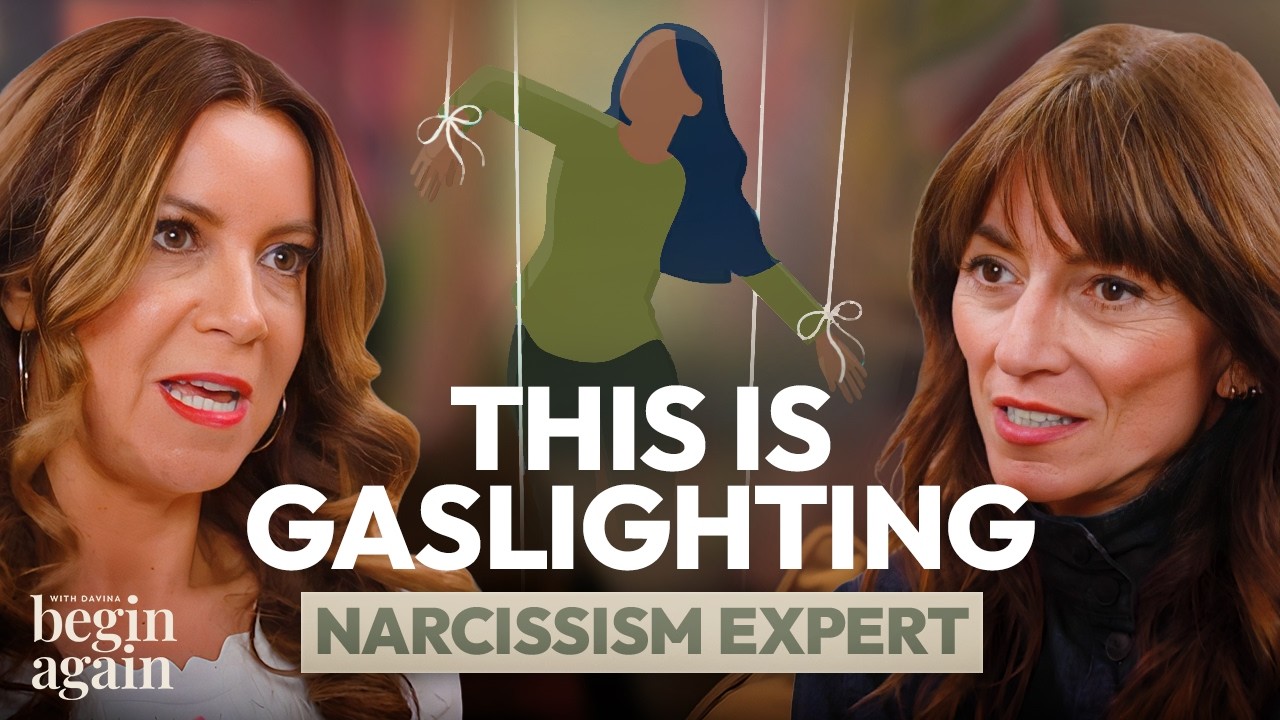
Davina McCall abandoned a channel with 49,400 subscribers and started again. Two years later the new one has 16.9 million views, against the 3.2 million the old one took in twelve years. Her old channel covered nine subjects in ten months, the new one does a single thing, and none of its 296 videos mentions her own business.
I pulled every video on both channels from the YouTube API on 28 September 2026: 54 on the personal channel and 296 on Begin Again with Davina McCall. Then I pulled the daily view histories for a sample of the newer videos, because the headline numbers on that channel are misleading and I wanted to know by how much.
This one is worth reading if you've an older channel you've stopped feeding, or a newer one that's working while your business sees nothing from it. The analysis comes from the same process I run on client channels every month inside Channel Intelligence.
What the two channels show
There are five findings.
- She left a channel with 49,400 subscribers and built a new one from nothing. The new one passed the old one's lifetime views within months.
- The two channels sell completely different things. Eleven minutes alone to camera became seventy-one minutes with a guest, thirty times more often, and the old one covered nine subjects in ten months.
- The new channel looks like it's declining and it isn't. Measured at matched age, a 2026 video earns about twice what a launch video earned.
- None of the 296 videos mentions her own business. The channel she abandoned mentioned it eleven times in 54.
- The links that are there point at other platforms. TikTok 86 times, Instagram 37, then sponsors.
The Takeout: These are the patterns in two libraries belonging to one person, so treat each as something to test on your own channel rather than a rule to copy.
1. Starting again beat carrying on
The channel called Davina McCall opened in 2009 and has 54 videos on it. Forty-five of those went up in 2020 and 2021, which makes it a lockdown fitness channel more than anything else. The last upload is dated 23 July 2021. That's 1,892 days ago.
It still holds 49,400 subscribers and 3.2 million lifetime views.
Begin Again with Davina McCall opened in October 2024. In under two years it has 257,000 subscribers, 296 videos and 16.9 million views. It passed the old channel's entire twelve-year total inside its first few months.
Most advice would have told her to reboot the channel she already had, because 49,400 subscribers is a real head start. The numbers say otherwise, and the reason is in the next section.
The Takeout: A subscriber count built on a promise you've stopped keeping isn't a head start. Before you reboot an old channel, ask what those people originally subscribed for, and whether you still intend to make it.
2. The two channels do different jobs
The old channel was Davina on her own: workouts, a makeup routine, clothing hauls, what she eats in a day, a chat about the menopause. The typical video ran 10.8 minutes and she published about one every ten weeks.
Begin Again is an interview show. The typical episode runs 70.7 minutes, and 192 of the 296 videos are Shorts cut from those episodes. She publishes 12.7 times a month.
Seven times the length, thirty times the rate, and a guest instead of a mirror. These aren't the same product, and the people who subscribed for the first one didn't ask for the second.
The old channel also never settled on a subject. Across its 45 videos from 2020 and 2021 it covered workouts, cooking, clothing hauls, makeup and hair, the menopause, decluttering, Christmas food, divorce finances with Martin Lewis, and a day in the life of a Masked Dancer detective. Nine separate subjects in ten months.
That matters more than it looks. When a channel mixes content like that, YouTube's understanding of who to show it to gets clouded, and it stays clouded. Every new video is judged against a muddled picture of what the channel is and who liked the last one.
In that situation a new channel is often the better move, because it starts with clean data. And there's a second reason to keep them separate: one channel per show, per category. A show works when the audience knows what the next one will be.
I don't know her reasons and this analysis can't tell you them. What it can tell you is what a reboot would have cost: a 70-minute conversation about narcissism landing first in front of 49,400 people who signed up for a 20-minute workout, on a channel YouTube had already learned to treat as nine things at once.
The Takeout: Two questions before you reboot an old channel. Is your next format the same promise your subscribers signed up for, and has the channel been clear enough about its subject for YouTube to know who to show it to? A no to either is an argument for starting clean, and for keeping one channel per show.
3. The decline that isn't there
Here is the number that would have sent me the wrong way.
Read straight, that's a channel falling apart: the typical video has gone from 118,000 views to 54,000 in under two years. Plenty of analysis stops there.
It's wrong, and the reason is simple. A video published in 2024 has had two years to collect views. One published in 2026 has had a few months. Comparing their lifetime totals compares their ages as much as their quality.
The fix is to measure every video at the same point in its life. I pulled the daily view histories for 24 of them, six from each half-year, and read off what each had earned by the time it was 90 days old.
The shape reverses. At 90 days old, the launch videos had 69,838 views. The 2025 cohorts reached 158,160 and 178,406. The 2026 videos are at 143,966, off the peak but more than double where the channel started.
One caution on the sample. The 24 videos were picked as the top three and the middle three by lifetime views in each period, so they run high against the full library. That bias is the same in every period, which makes the direction reliable and the exact levels less so.
The Takeout: Judging your own channel on lifetime views by period will make your newest work look worst every time. Pick an age, 30 or 90 days, and compare every video at that same age. It's the only comparison that's fair to the video you published last week.
4. Where 16.9 million views are going
Across all 296 videos, her own business is named zero times. The channel she stopped making pointed at her fitness and wellbeing site eleven times in 54 videos.
What the live channel does link to is TikTok, 86 times, and Instagram, 37. After that it's sponsors: Adobe, Ancient and Brave, Amazon, Zoe, Airbnb. And 192 of the 296 videos carry no link at all.
None of this means the channel is failing. It's plainly working, and the sponsor money is real money. The results page for her own name in the UK is hers from the top down, which is worth having.
It just means the 16.9 million views are being spent on other people's platforms and other people's products. Sending a YouTube viewer to TikTok hands them to an account you'd have to win all over again once they arrive.
The Takeout: Open your last twenty videos and write down where each one sends a viewer. If more of them point at another platform than at your own business, that's the cheapest problem on your channel to fix, and it's a description setting rather than a production job.
Put simply
She walked away from a subscriber count that no longer matched what she wanted to make, and the new channel outgrew the old one within months. The work is good and the audience is real. What the videos don't do is point at anything she owns.
If you've a sponsor paying for your reach, that's a trade. If you don't, the reach has to come back to your own business, which means deciding what the channel is for, publishing a format your buyers watch at a rate you can hold, and pointing every video at one next step you can track.
Method and limitsSources, dates, definitions and what this can't see
The libraries. Both channels were pulled from the YouTube API on 28 September 2026 by walking the uploads playlist: 54 videos on the personal channel (49,400 subscribers, 3,157,583 views across the videos) and 296 on Begin Again (257,000 subscribers, 16,947,926 views). The personal channel opened on 2 June 2009 and last published on 23 July 2021. Begin Again opened on 8 October 2024 and first published on 17 October 2024.
Shorts are assigned by length, at 62 seconds or less before 15 October 2024 and 182 seconds or less after, because the public data carries no Shorts flag. That gives 104 long videos and 192 Shorts on Begin Again, and 40 long and 14 Shorts on the personal channel.
The matched-age comparison uses daily view histories for 24 Begin Again long videos, six from each half-year, selected as the top three and the middle three by lifetime views within each period. The figure quoted is the last recorded view count at or before 90 days after publication. The selection skews high against the full library, identically in each period, so the direction is sound and the absolute levels aren't a population estimate.
Link destinations are read from video descriptions only. End screens, cards, pinned comments, on-screen mentions and the channel's own link panel aren't visible in this data, so a video with no description link may still point somewhere by another route.
YouTube changed how it counts views on 24 August 2026, so a public view now counts from the first frame. Every video here was counted once, after that date. The matched-age comparison reads historical daily records, so its later periods sit partly either side of that change and the 2026 figure may be flattered slightly.
What this can't see. There's no access to her YouTube Studio, so nothing here covers impressions, click-through rate, watch time, traffic sources or revenue. Sponsorship values aren't public and none is estimated. Nothing here proves cause, and nothing here knows why she started a second channel.
Analysis and write-up: Stewart Read.

Meet Stewart
Stewart Read
YouTube Growth Strategist
I've run YouTube channel management for 8-figure businesses, turning channels into reliable sources of leads, clients and measurable revenue rather than views alone.
Using a class-leading suite of channel analysis tools he built himself, he pinpoints exactly what makes your audience click, watch, and convert - then turns those findings into videos that bring buyers to your business.
Channel Intelligence
The monthly service behind this analysis. A written briefing on what your channel returned to the business, a video walkthrough of the findings I record myself, and a plan for the videos to make next.
See how Channel Intelligence works